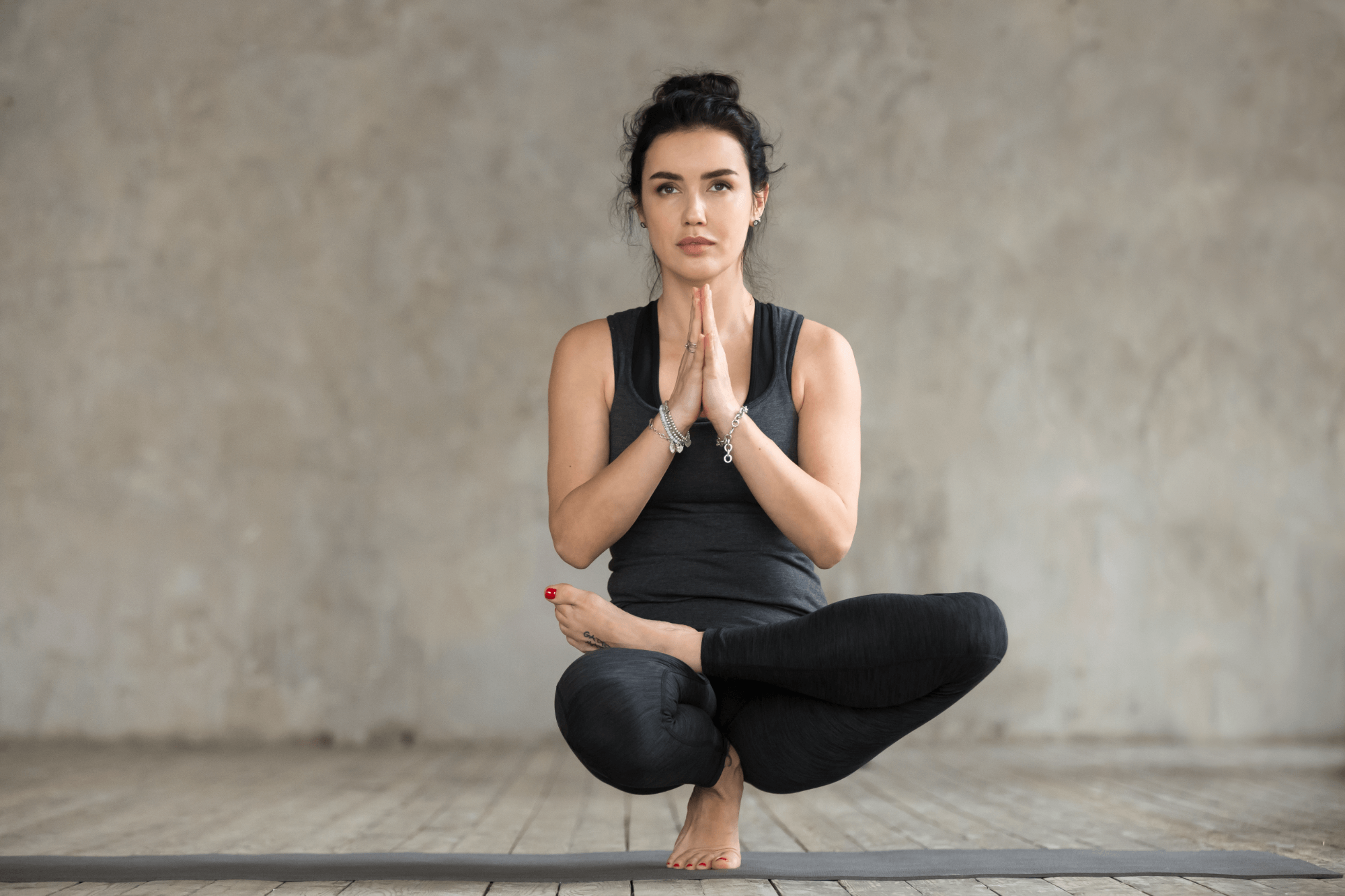
Sweating is one of the most obvious features of a heated yoga class. It supports the body’s cooling process, but it also changes the physical relationship between the participant, clothing, mat and floor.
During hot yoga, moisture can reduce friction under the hands and feet or cause clothing to shift during weight-bearing poses. Managing these effects is part of the practice, not a distraction from it.
Sweat Does Not Represent Toxins Leaving the Body
Sweat primarily supports temperature regulation. Its presence does not prove that a class is detoxifying the body or producing greater fitness benefits.
Sweat quantity is influenced by room conditions, genetics, acclimatisation, clothing and effort.
A person who sweats heavily has not necessarily worked harder than someone who sweats less. Participants should evaluate movement quality, symptoms and recovery instead.
This distinction prevents sweat volume from becoming a misleading performance target.
Moisture Reduces Predictable Friction
Dry skin on a clean mat usually provides a relatively predictable grip. Sweat creates a thin moisture layer that can change friction.
The hands may slide forwards in downward-facing positions. Feet may drift during lunges or wide stances.
The participant may respond by gripping harder, which increases fatigue in the hands, forearms and feet.
Grip management begins with the surface. It should not depend only on muscular effort.
Mat Material Affects the Response
Yoga mats use different materials and surface textures. Some become grippier when damp, while others become slippery.
A mat suitable for a cool class may perform differently under heavy sweat. Participants should test equipment in realistic conditions rather than relying only on how it feels when dry.
At True Fitness Singapore, members should follow facility guidance about personal mats, towels and studio hygiene.
A towel designed for yoga may improve moisture management, but it must lie flat and remain secured.
Towels Need Correct Placement
A small towel can be used to dry the hands, feet or face during transitions. A larger mat towel can cover the practice surface.
Loose corners or folds create trip hazards. A towel that moves whenever the participant changes stance may reduce stability rather than improve it.
Participants should adjust the towel before entering a demanding pose. Stopping mid-pose to pull fabric creates its own balance risk.
The towel should also absorb effectively without leaving the surface saturated.
Hand Position Can Improve Mechanical Grip
Grip does not come only from skin friction. Hand placement influences how pressure is distributed.
Spreading the fingers and pressing through the base of the fingers can create a broader support area. Allowing all pressure to collapse into the wrist may increase discomfort and reduce control.
The exact pressure pattern changes by pose. Participants should avoid forcing the fingertips into the mat so hard that the hands cramp.
A stable hand remains active while sharing load across the available surface.
Foot Stability Requires More Than a Dry Mat
Drying the foot may help, but the participant still needs controlled pressure through the heel and forefoot.
In standing poses, sweat can encourage the foot to slide towards one edge. The knees and hips then make additional corrections.
Reducing stance width slightly may restore control in some positions. Forcing the original distance on a slippery surface is rarely useful.
The pose should be adapted to current friction rather than an ideal dry-room shape.
Clothing Can Affect Skin-to-Skin Grip
Some yoga positions use contact between the foot and inner thigh or between the arm and leg. Sweat can make these contact points slide.
Clothing coverage and fabric texture change the experience. A foot may grip fabric differently from damp skin.
Participants can choose clothing that remains secure without becoming restrictive. Constantly pulling at loose or shifting garments interrupts concentration and may affect balance.
The best choice is functional, comfortable and suitable for washing after heavy sweat.
Sweat Can Move Into the Eyes
Sweat entering the eyes creates irritation and temporarily affects vision.
A headband or absorbent towel may help. Participants should wipe the face during a safe transition rather than while balancing or supporting body weight through the hands.
Eye irritation that persists after class may require rinsing with clean water. Contact-lens users may have additional comfort considerations.
Clear vision matters because visual focus contributes to balance.
Excessive Grip Creates Secondary Fatigue
When the mat feels slippery, participants often attempt to solve the problem by using maximum muscular tension.
The forearms fatigue, shoulders rise and breathing becomes restricted. The pose may feel harder without becoming more stable.
Surface management should come first. Dry the contact area, flatten the towel or reduce the range.
Muscular engagement should support the pose, not compensate for unsafe friction.
Studio Cleaning Supports Stability
Sweat can move beyond individual mats onto the surrounding floor. Room turnover must include inspection and cleaning of shared surfaces.
Residual moisture near mat edges or walkways creates a slipping risk between poses and after class.
Participants should also avoid walking through another person’s practice area. Personal towels and belongings need to remain contained.
Grip is partly an individual technique issue and partly an operational studio responsibility.
Sweat Loss and Warning Signs
Heavy sweating can contribute to fluid and salt loss. However, suddenly stopping sweating is not the only warning sign of heat illness.
Dizziness, nausea, unusual weakness, headache or confusion require immediate attention. The participant should stop, move to a cooler area and alert staff.
Drinking more water during the pose is not a complete response to concerning symptoms.
Cleaning Equipment After Class
Mats and towels should not remain rolled together while wet. Moisture trapped in a warm environment can encourage odour and microbial growth.
Follow the manufacturer’s cleaning instructions and allow equipment to dry completely before storage.
Shared props should be returned according to studio procedures so they can be cleaned appropriately.
Frequently Asked Questions
Q: Does sweating more mean I am getting a better workout?
A: No. Sweat rate depends on several environmental and individual factors. It is not a direct measure of training quality.
Q: Should I use a towel over the entire mat?
A: It depends on the mat and sweat level. A mat towel can help, but it must remain flat and secure.
Q: Why do my hands still slip after I dry them?
A: Moisture may remain on the mat, or hand pressure may be poorly distributed. Check both the surface and your placement.
Q: Can I use chalk for hot yoga grip?
A: Only if the studio permits it. Chalk can create residue and may not be suitable for shared indoor spaces.
Q: What should I do if the studio floor is wet?
A: Avoid stepping into the area and alert staff. Do not assume the moisture will dry safely during class.
