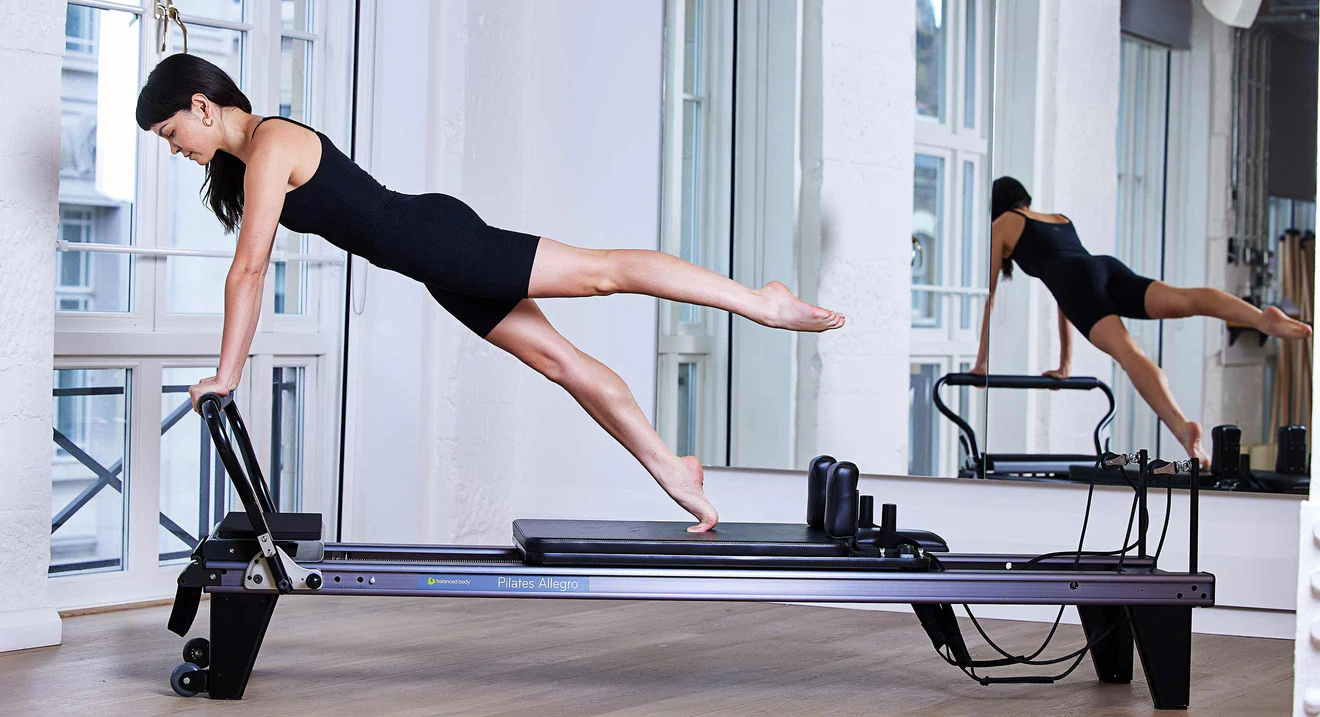
Pregnancy and childbirth bring about profound changes to a woman’s body, both physically and emotionally. In Singapore, where healthcare standards are high and wellness awareness is growing, more mothers-to-be and new mums are turning to reformer pilates Singapore to support their prenatal health and postnatal recovery journey.
Far from being just another fitness trend, reformer Pilates offers a safe, controlled, and highly adaptable form of movement that strengthens the core, improves posture, reduces pregnancy discomfort, and speeds up postpartum recovery.
Its popularity in Singapore is not just about toning muscles or shedding baby weight—it’s about empowering women to move confidently, reconnect with their bodies, and support their long-term well-being during motherhood.
Understanding the Needs of Singaporean Mums
Women in Singapore often juggle multiple roles—working professional, caregiver, spouse, daughter, and mother—all while navigating the pressures of modern urban life. Pregnancy can strain the body and mind in various ways:
- Back pain and hip discomfort
- Poor posture from a growing belly or postnatal breastfeeding
- Weak pelvic floor muscles
- Lack of core strength
- Emotional fatigue and stress
Reformer Pilates is uniquely suited to address these challenges through low-impact, precise, and guided movements, making it ideal for pregnant women and those recovering after delivery.
Benefits of Reformer Pilates During Pregnancy
Prenatal reformer Pilates focuses on support, not strain. It helps expecting mums prepare their bodies for childbirth while reducing common discomforts associated with pregnancy.
1. Strengthens Deep Core and Pelvic Floor
During pregnancy, abdominal muscles stretch to accommodate the baby, and the pelvic floor undergoes significant pressure. Reformer exercises safely activate deep stabilisers like the transverse abdominis and pelvic floor muscles without the strain of crunches or planks.
This preparation reduces the risk of diastasis recti (abdominal separation) and supports smoother labour.
2. Improves Posture and Reduces Back Pain
As the belly grows, the centre of gravity shifts, often causing increased lumbar curve and back pain. Reformer Pilates includes postural correction and spinal mobility work that helps alleviate tension in the lower back and shoulders.
This is particularly helpful for Singapore mums working in office settings or managing toddlers while pregnant.
3. Enhances Circulation and Reduces Swelling
Fluid retention and leg swelling are common in later trimesters. Gentle leg presses and movements on the reformer encourage blood flow and lymphatic drainage, easing discomfort and reducing fatigue.
4. Builds Mind-Body Connection and Breath Control
Labour and delivery require both physical strength and breath awareness. Pilates emphasises coordinated breathing patterns, improving oxygen delivery to both mother and baby, and preparing mums to remain calm and focused during contractions.
Why Reformer Pilates is Perfect for Postnatal Recovery
The journey doesn’t end after birth. Reformer Pilates is often recommended by physiotherapists in Singapore as part of postnatal rehabilitation due to its emphasis on gentle reconditioning.
1. Reconnects with the Core Safely
Post-birth, many mums feel disconnected from their abdominal muscles. The reformer’s adjustable springs allow new mothers to rebuild core strength progressively, reducing pressure on healing tissues.
Movements are adapted to ensure safety whether the mum had a natural birth or caesarean section.
2. Repairs Posture and Supports Breastfeeding Comfort
Hours of carrying the baby or hunching during breastfeeding can cause tight chest muscles and rounded shoulders. Reformer exercises like rowing and scapular glides open the chest, realign the spine, and relieve shoulder tension.
This not only improves posture but also supports more comfortable feeding positions.
3. Boosts Energy and Confidence
Gentle movement post-delivery helps stimulate endorphins, reduce baby blues, and boost confidence as mums begin to regain control over their bodies. It’s not about “bouncing back” but about feeling strong, supported, and empowered.
Mums in Singapore Speak Up
The rise in reformer Pilates classes tailored for mums is largely driven by word of mouth. Here’s what some Singaporean mothers had to say:
“I started reformer Pilates during my second trimester and continued after birth. It kept my back pain away and helped me feel stronger during delivery.” – Mei Lin, 34, first-time mum
“Postnatal classes helped me manage pelvic floor weakness and regain confidence without the pressure of high-intensity workouts.” – Alisha, 37, mother of two
These real-life stories reflect a shift in mindset among Singaporean mums—from weight loss to wellness and functional strength.
What to Expect in a Prenatal or Postnatal Reformer Class
Studios across Singapore now offer dedicated reformer classes for pregnancy and motherhood, typically led by certified instructors trained in pre/postnatal modifications.
You can expect:
- Smaller class sizes for individual attention
- Focus on breath, alignment, and pelvic floor engagement
- Modified movements to accommodate trimester or post-birth recovery stage
- Low-impact, resistance-based exercises using springs and props
- An environment of support and community among fellow mums
Studios like Yoga Edition have become popular among expectant and new mothers looking for a welcoming, non-judgemental space to stay active.
Guidelines for Starting Reformer Pilates as a Mum
- Always consult your gynaecologist before starting, especially if you have a high-risk pregnancy.
- For prenatal classes, many instructors recommend starting from the second trimester onwards.
- Postnatal reformer Pilates can typically begin 6–8 weeks post-delivery (longer if C-section).
- Wear breathable clothing and use grip socks for hygiene and safety.
- Bring a water bottle and listen to your body—every day will feel different!
Singapore’s Growing Support for Mother Wellness
From government parental leave initiatives to parent-friendly workplaces, Singapore is increasingly recognising the importance of maternal well-being. The rise of reformer Pilates classes designed for mums shows that fitness is evolving to become more nurturing, accessible, and mindful.
This shift aligns with Singapore’s broader public health focus on active ageing and preventive care—starting right from pregnancy.
FAQs
Is reformer Pilates safe during all stages of pregnancy?
With clearance from your doctor and guidance from a certified instructor, yes. Most exercises are adjusted depending on your trimester and energy levels.
Can I do reformer Pilates if I’ve never exercised before?
Absolutely. It’s a low-impact form of exercise and suitable even for beginners. Your instructor will guide you based on your current ability and pregnancy stage.
How soon after giving birth can I resume reformer Pilates?
Generally, after 6–8 weeks with medical clearance. If you had a C-section or complications, wait until your doctor advises it’s safe.
Does reformer Pilates help with diastasis recti?
Yes. It focuses on gentle, core-centric movements that help reconnect the abdominal wall and strengthen it without straining.
Can I bring my baby to postnatal classes?
Some studios in Singapore offer “mum & baby” classes, while others may have childcare options. It’s best to check with your chosen studio ahead of time.
