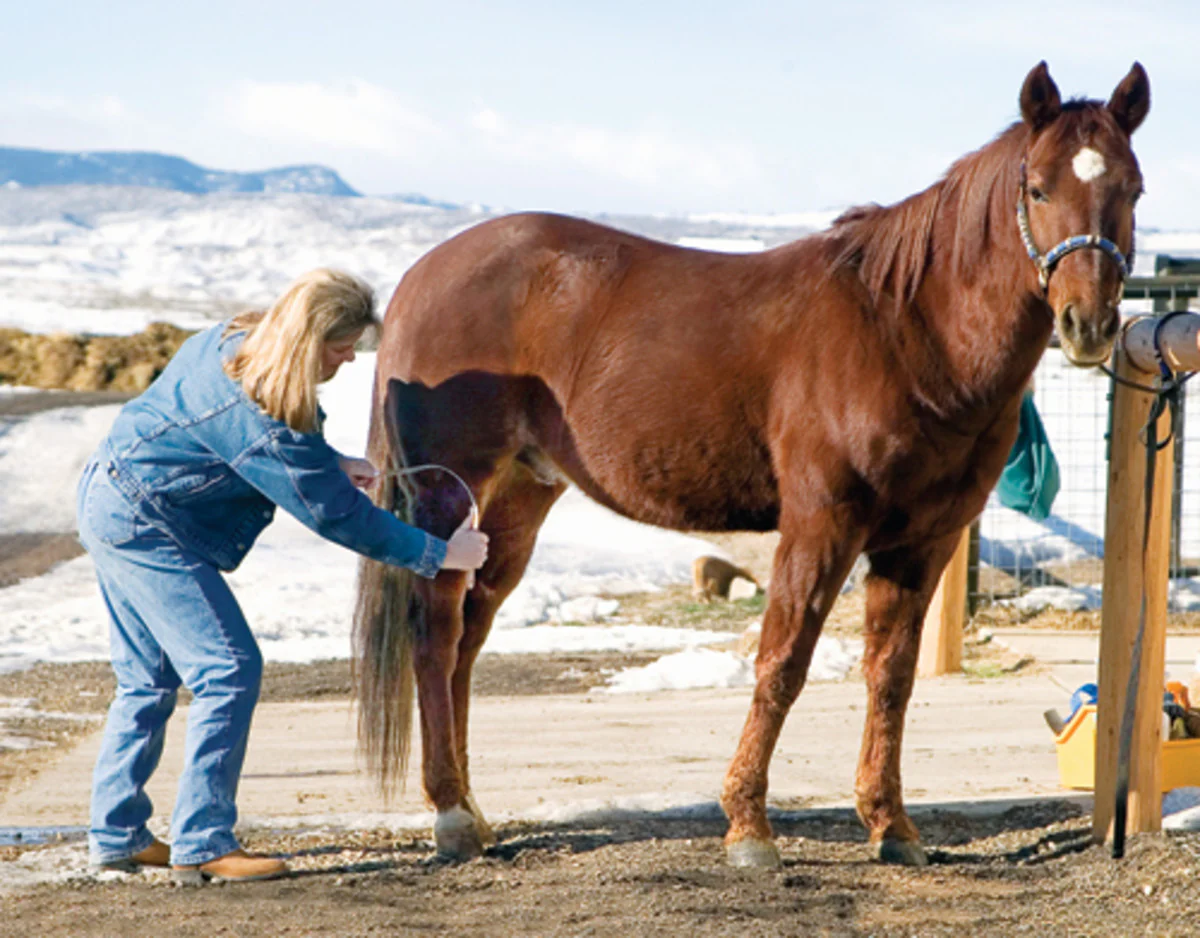
A horse owner has a regular training routine for his horse companion. You can imagine an owner of a stable who has many horses or who sends their horses to competition. They need a horse exerciser to keep their horse’s health in good condition as it offers many health benefits for the horses.
Horses consistently provide them with their peak physical fitness, whether they are weekend trail hackers or elite athletes. However, have you ever considered the long-term advantages of consistent training and activity for your horse?
Regular exercise promotes healthy weight maintenance and digestive function in addition to the well-known cardiovascular and muscle-building benefits for horses. In addition to lowering the chance of injury, proper fitness training increases working horses’ bone mass.
However, the benefits of exercise extend beyond athletic ability and physical fitness. Regular exercise also helps your horse’s mental health by lowering stereotypical behaviours, stimulating the mind, and fostering trust between the rider and the horse.
Continue reading to find out more about the advantages of exercise for horses and some of the best training techniques to maintain your horse in excellent condition at any age or skill level.
Why Is Exercise Important for Horses?
Horses developed the ability to graze continuously, traversing large swaths of ground in pursuit of forage. According to research, in their native habitat, wild horses cover about 17.9 kilometres (11 miles) every day.
On the other hand, when domestic horses are kept in a big pasture (40+ acres), they only walk 7.2 kilometres (4.5 miles) a day. Even less is covered by horses kept in smaller 2-acre areas, which typically go just 1.1 kilometres (0.68 miles) each day.
Additionally, a lot of horses are kept in their stalls for the majority of the day, resulting in low turnout. Thoroughbred racehorses are among the top-tier equine athletes who are confined to their stalls for about twenty-three hours per day, only being able to move during athletic training sessions.
This striking disparity highlights how crucial proper exercise regimens are for keeping domestic horses active, preventing health problems, and meeting their psychological needs for mobility and environmental stimulation.
The Benefits of Horse Exercise
Horses need to exercise regularly to stay healthy and happy. Horses of all ages and lifestyles can benefit hugely from regular physical activity, whether they are galloping across broad fields or taking part in organised workouts.
The following are the top health and wellness benefits associated with frequent horse exercise:
- Enhance Cardiovascular Function
Horses with regular exercise have healthier hearts. Cardiovascular adaptations brought about by fitness exercise strengthen the heart and circulatory system and enhance sports performance.
Some of these positive changes in cardiovascular function can be measured with an equine heart rate monitor.
The horse’s velocity (speed) when its heart rate hits 200 beats per minute (V200) is a crucial fitness metric. Fit horses show benefits in their cardiovascular health by achieving a higher speed before reaching this heart rate.
- Improve Respiratory Function
Regular exercise can also help horses’ respiratory systems by encouraging better oxygen exchange. Because the muscles require more energy when exercising, such as when trotting, cantering, or galloping, the oxygen consumption of the horse increases significantly.
- 3. Boost Energy Metabolism
By enhancing mitochondrial density and function, regular exercise helps horses of all ages become more energy efficient.
Cellular organelles called mitochondria are essential for generating the energy required for daily tasks and physical activity. They are in charge of producing adenosine triphosphate (ATP), which is the main source of energy for cells.
High-intensity exercise and endurance training both promote mitochondrial adaptation, which improves the efficiency of cells’ energy processing.
