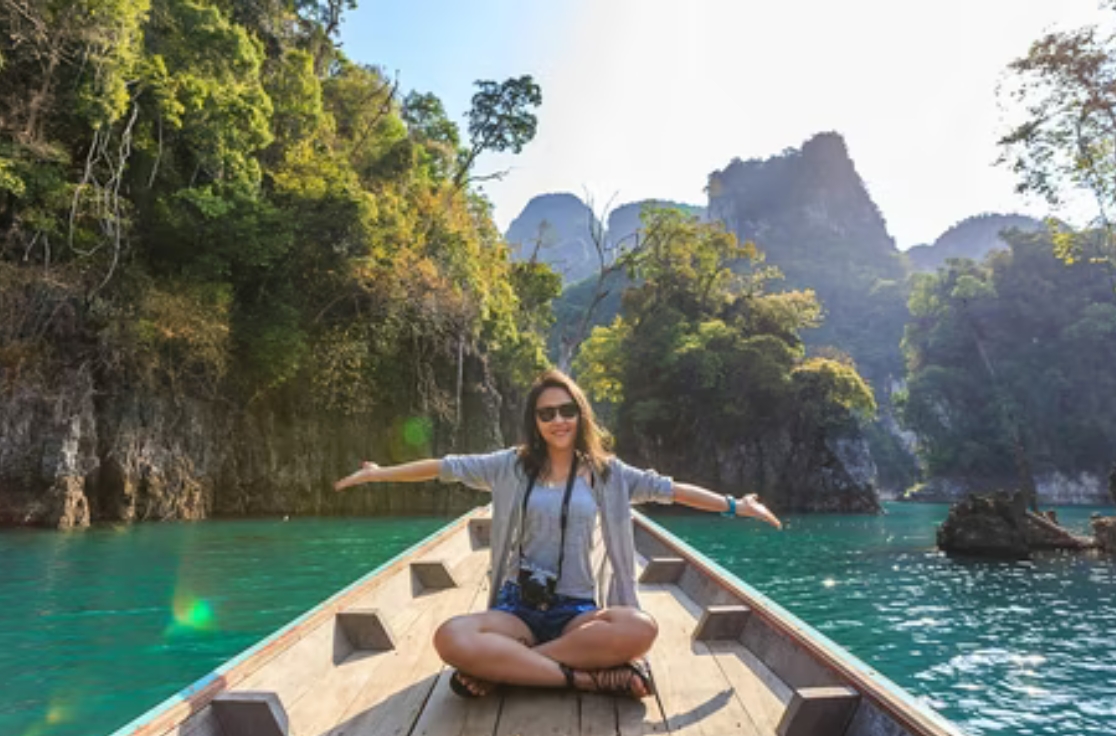
Introduction: More Than Movement—Travel as a Human Experience
Travel is not merely the act of moving from one location to another. It is a transformative experience that broadens our worldview, enriches our understanding, and reshapes our inner landscape. Whether traversing distant continents or exploring a hidden gem in one’s own country, travel invites curiosity, fosters connection, and offers both escape and introspection. In an increasingly digital world, the tangible act of travel becomes more meaningful than ever, reminding us that life’s richest lessons are often found beyond the familiar.
The Psychology of Wanderlust: Why We Are Drawn to the Unknown
There’s a reason humans have always ventured beyond their borders. From ancient explorers to modern globetrotters, the desire to discover is woven into our DNA. Travel satisfies a primal urge for novelty, yet it also nurtures personal growth and mental resilience.
Key psychological benefits of travel include:
-
Expanded perspective: Experiencing different cultures challenges assumptions and biases.
-
Emotional refreshment: A break from routine often reduces stress and rekindles joy.
-
Increased adaptability: Navigating unfamiliar terrain builds confidence and problem-solving skills.
-
Mindful presence: New environments heighten awareness and deepen appreciation for the moment.
Travel, in essence, is not just about where we go but how we evolve with every journey.
Cultural Immersion: Learning from Diversity
One of travel’s greatest gifts is the opportunity to engage with people, traditions, and lifestyles vastly different from our own. While books and documentaries offer insight, firsthand interaction creates lasting empathy and understanding.
Elements of cultural travel that foster deeper connection:
-
Local cuisine: Sharing meals with locals is both a culinary and cultural adventure. Food is a universal language.
-
Festivals and rituals: Participating in regional celebrations provides an intimate glimpse into a community’s soul.
-
Language learning: Even a few phrases in a local tongue can open doors and hearts.
-
Art and heritage: Visiting museums, galleries, and historical sites cultivates respect for a region’s creative and ancestral legacy.
Embracing cultural differences not only broadens the mind but also enriches the spirit, dissolving the invisible walls that divide us.
Types of Travel: A Spectrum of Experiences
Travel can be shaped by intention—each form offering its own rewards and challenges.
1. Solo Travel
Solo journeys encourage self-discovery, independence, and personal reflection. Without the influence of companions, one is free to explore inner and outer worlds with clarity.
2. Family Travel
Exploring new places together strengthens family bonds, fosters shared memories, and exposes children to diverse worldviews from a young age.
3. Adventure Travel
This type includes activities like hiking, scuba diving, or zip-lining. Adventure travel pushes physical and mental limits, rewarding participants with adrenaline and awe.
4. Luxury and Leisure Travel
Pampering retreats and luxury cruises offer rest and indulgence, ideal for those seeking to recharge in comfort and style.
5. Eco and Sustainable Travel
Conscious travel that respects local ecosystems and cultures is increasingly important. Eco-tourism supports conservation efforts and encourages ethical exploration.
Each style of travel serves a purpose—some rejuvenate, some challenge, and others inspire. The key is aligning travel choices with personal goals and values.
Travel and Personal Growth: Lessons Beyond the Map
The most profound rewards of travel are often intangible. A journey can change how we see the world—and ourselves.
Notable personal transformations inspired by travel:
-
Increased gratitude: Experiencing life in less privileged areas fosters a deeper appreciation for our own circumstances.
-
Letting go of control: Travel teaches us to embrace the unexpected, from delayed flights to language barriers.
-
Connection to nature: Hiking through a rainforest or watching a sunset on a quiet beach renews our bond with the Earth.
-
Heightened creativity: New experiences stimulate the mind, encouraging fresh thinking and innovation.
Travel becomes a teacher when we allow ourselves to fully engage—not just observe, but participate, absorb, and reflect.
Practical Tips for Meaningful Travel
To travel well is to travel mindfully. The goal isn’t just to check off destinations, but to experience them deeply and respectfully.
Strategies for enriching travel experiences:
-
Research and preparation: Learn about the culture, etiquette, and history before arriving.
-
Pack light and smart: Choose essentials that support flexibility and comfort.
-
Support local: Choose local accommodations, guides, and markets to boost the regional economy.
-
Stay present: Resist the urge to over-document. Sometimes, the best moments are those simply lived.
These simple practices elevate a trip from recreational to transformational, ensuring memories that linger long after the return flight.
The Role of Travel in a Globalized World
In today’s interconnected society, travel is not just a luxury—it’s a responsibility. It offers the chance to bridge cultures, share knowledge, and promote global citizenship. When approached with sensitivity and intention, travel can be a force for diplomacy, understanding, and even peace.
The global impact of conscious travel:
-
Economic support: Tourism fuels economies and creates jobs, especially in developing regions.
-
Cultural preservation: Interest in heritage sites and traditional practices encourages their protection and revival.
-
Environmental advocacy: Eco-tourism spreads awareness about conservation and inspires action.
As travelers, we have the power to influence the world not just by where we go, but how we engage when we arrive.
Conclusion: The Journey Never Truly Ends
The true magic of travel lies not in the miles traversed, but in the moments experienced and the shifts in perspective they bring. It is a lifelong journey that doesn’t end when we return home. Every trip reshapes us, challenges our worldview, and leaves behind stories that become part of who we are. Whether it’s sipping tea in a Moroccan riad, walking cobblestone streets in Prague, or sharing laughter in a rural Indian village, travel reminds us that the world is vast, beautiful, and waiting—not just to be seen, but to be understood.
