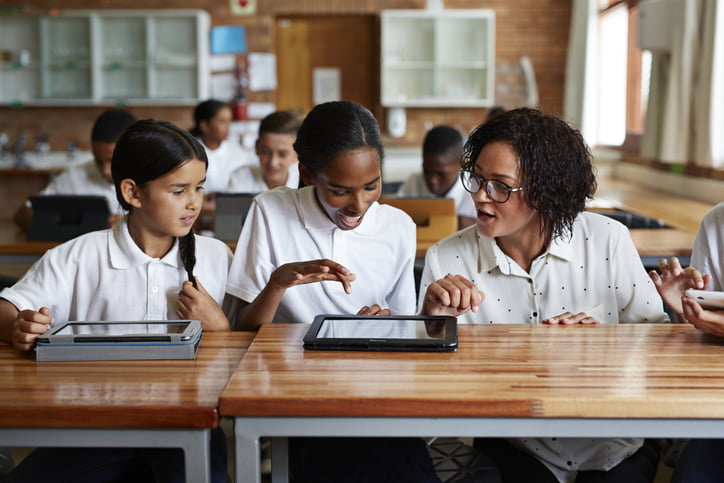
Education has undergone a fundamental transformation over the past decade. Traditional lecture models, reliant solely on physical textbooks and rigid classroom schedules, are giving way to dynamic learning environments supported by technology. Modern educational institutions increasingly integrate hardware, cloud platforms, and specialized software to create engaging, accessible, and personalized instruction.
When implemented thoughtfully, digital tools do not replace educators. Instead, they amplify effective teaching strategies, remove traditional learning barriers, and prepare students to navigate a technology-driven world. Exploring how modern technology transforms education reveals its measurable benefits for student engagement, comprehension, and long-term academic success.
Personalizing the Educational Journey through Adaptive Technology
One of the greatest limitations of the traditional classroom model is the difficulty of tailoring instruction to individual learning paces. In a class of thirty students, some individuals master concepts rapidly and require additional challenges, while others need extra time and remediation to grasp core ideas.
Adaptive learning platforms solve this challenge by using algorithms to evaluate student performance in real time. As a student works through practice problems or reading modules, the software assesses their accuracy, speed, and problem-solving approach.
Key advantages of personalized adaptive technology include:
-
Customized Progression: Content automatically adjusts in difficulty based on demonstrated skill, preventing top performers from growing bored while ensuring struggling students receive targeted practice.
-
Targeted Skill Remediation: Systems automatically identify foundational knowledge gaps and offer supplemental lessons before moving on to advanced material.
-
Self-Paced Learning: Students can review recorded lectures, interactive guides, and instructional videos outside of class hours without feeling rushed by peer progression.
This tailored approach ensures that students build true mastery over fundamental subjects rather than simply memorizing facts to pass an exam.
Fostering Active Engagement and Interactivity
Passive learning, such as listening to long lectures or reading lengthy textbook chapters, often leads to low information retention and reduced student motivation. Digital tools transform passive listeners into active participants by integrating interactive elements directly into the learning process.
Educational technology platforms incorporate gamification, digital simulations, and interactive modeling to make abstract concepts tangible. For example, instead of merely memorizing chemical formulas, science students can utilize virtual laboratory software to mix virtual compounds, observe reactions safely, and analyze outcomes.
Similarly, history and geography classes can leverage virtual reality tours to explore historical sites or study geographical topographies in immersive three-dimensional environments. These interactive experiences spark curiosity, deepen conceptual understanding, and significantly improve memory retention compared to static text.
Streamlining Collaboration and Communication
Modern workplaces depend heavily on digital collaboration platforms, and modern education is following suit. Digital communication tools remove physical boundaries, allowing students to work together seamlessly whether they are sitting in the same classroom or studying from home.
Cloud-based document sharing platforms, digital whiteboards, and discussion forums enable real-time collaboration. Students can work on group projects simultaneously, edit shared documents, leave peer feedback, and hold virtual brainstorming sessions.
These collaborative tools offer distinct instructional benefits:
-
Equalizing Student Voice: Discussion boards and anonymous polling tools give quieter or introverted students an accessible platform to participate and share insights without public speaking anxiety.
-
Developing Digital Literacy: Hands-on experience with modern collaboration software prepares students for the team-based digital workflows used across professional industries.
-
Centralized Resource Sharing: Teachers and students can store research, project guidelines, and notes in a central online hub accessible anytime from any connected device.
Providing Immediate Feedback and Actionable Data
In traditional educational settings, the feedback loop between completing an assignment and receiving a graded paper can take days or even weeks. By the time a student receives their corrected work, the class has often moved on to a new topic, minimizing the learning value of the corrections.
Digital assessment tools dramatically shorten this feedback loop. Interactive quizzes and online homework platforms provide instant scoring, highlighting incorrect answers immediately and offering explanations or step-by-step solutions. This rapid feedback allows students to identify and correct misunderstandings before poor habits or incorrect concepts become ingrained.
For educators, digital platforms automatically gather and synthesize learning analytics. Dashboard metrics show teachers exactly where individual students or entire classes are struggling. Rather than waiting for mid-term exams to spot academic difficulty, instructors can use real-time data to adjust their lesson plans and deliver timely interventions.
Expanding Accessibility and Educational Inclusivity
Digital tools play a crucial role in making education more inclusive for students with diverse physical, cognitive, and linguistic needs. Universal design principles built into modern educational software help ensure that every learner can access instructional materials effectively.
Key accessibility features in modern educational tools include:
-
Text-to-Speech and Speech-to-Text: Assistive software aids students with visual impairments, dyslexia, or physical limitations that hinder traditional reading and writing.
-
Real-Time Closed Captioning and Translation: Automated captioning assists hearing-impaired students, while instant translation tools help non-native language speakers keep pace with instructional content.
-
Flexible Display Options: Users can easily adjust text size, contrast, line spacing, and color schemes to accommodate various visual needs or reduce cognitive fatigue.
By removing physical and technical barriers, educational technology ensures that all students, regardless of background or physical ability, enjoy equal access to quality educational resources.
Supporting Independent Research and Critical Thinking
The Internet gives students access to an unprecedented volume of information. Modern digital tools move instruction beyond simple information gathering toward developing high-level research skills, critical analysis, and media literacy.
Through digital libraries, academic databases, and open-access educational repositories, students can explore primary sources, current scientific journals, and expert opinions from around the globe. Educators use these digital resources to teach students how to evaluate source credibility, distinguish fact from opinion, cross-reference data points, and synthesize information from multiple digital streams. These critical thinking skills are essential for academic achievement and informed citizenship.
Frequently Asked Questions
Do digital tools in the classroom decrease student attention spans?
When digital tools are used passively, screen fatigue can occur. However, interactive educational tools designed with clear learning goals actively engage students, promote hands-on problem solving, and increase focus compared to passive listening models.
How do educators prevent digital divide issues when implementing technology?
Schools address access gaps by providing dedicated hardware like laptops or tablets, partnering with local organizations to supply community internet access, and utilizing offline-capable software that allows students to complete digital work without an active home connection.
Can digital learning tools completely replace physical textbooks?
While digital platforms offer interactive and frequently updated content, physical textbooks still hold value for deep, uninterrupted reading. Most modern educational frameworks employ a hybrid approach, combining digital tools for practice and collaboration with physical books for focused study.
How do digital tools assist students with learning disabilities?
Digital tools offer customizable settings like adjustable text sizes, specialized fonts for dyslexia, audio narration, visual organizers, and pacing controls. These features allow neurodivergent students to consume material in formats tailored to their specific cognitive needs.
What role do teachers play in a classroom that heavily relies on digital tools?
Teachers remain essential facilitators of learning. Rather than acting as the sole source of information, educators use digital tools to manage instruction, analyze student progress data, facilitate group discussions, and provide individual mentorship.
How do digital platforms ensure the privacy and safety of student data?
Legitimate educational software providers adhere to strict federal and regional data privacy standards, such as FERPA and COPPA in the United States. These laws restrict data collection, ban targeted advertising to minors, and require robust encryption to protect student records.
