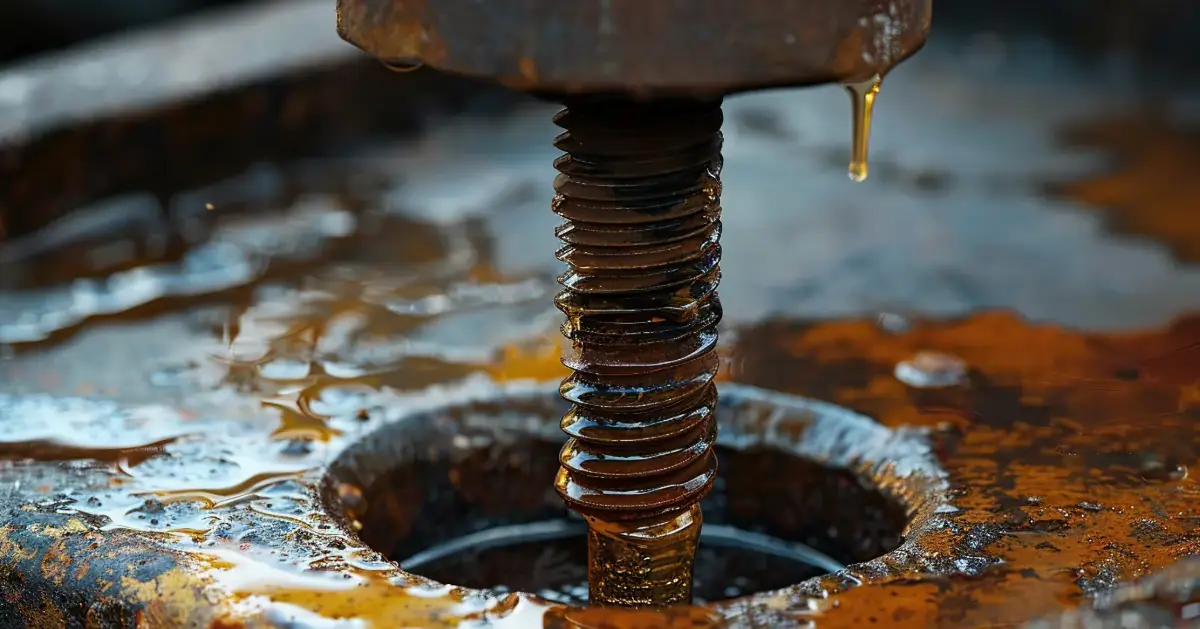
Plumbing systems are built to last, but even the most durable pipes, fittings, and threaded connections can become difficult to separate over time. Moisture, mineral deposits, corrosion, rust, and years of pressure can cause plumbing components to seize together. When this happens, forcing the connection apart can damage pipes, fittings, or surrounding fixtures.
This is where a quality penetrating oil becomes an essential tool. However, not all formulas work the same way, and choosing the right option can make the difference between a quick repair and a costly plumbing problem.
If you have ever struggled with a rusted pipe fitting or a frozen plumbing connection, understanding how to select the best penetrating oil for plumbing can help you work more efficiently while reducing the risk of damage.
Why Plumbing Connections Become Stuck
Before selecting a penetrating oil, it is helpful to understand why plumbing connections seize in the first place.
Most plumbing systems operate in environments where moisture is constantly present. Over time, water exposure can cause oxidation and corrosion on metal surfaces. Minerals from hard water can also accumulate around threaded fittings, creating stubborn deposits that lock components together.
Common causes of stuck plumbing connections include:
- Rust buildup on metal threads
- Corrosion between different metals
- Mineral deposits from hard water
- Old pipe sealants and thread compounds
- Long periods without maintenance
- Environmental humidity and moisture
These issues create friction between surfaces, making it difficult to loosen the connection using standard tools alone.
What Is a Penetrating Oil and How Does It Work?
A penetrating oil is a specially formulated lubricant designed to seep into extremely tight spaces. Unlike standard lubricants that primarily reduce surface friction, penetrating oils are engineered to travel deep into rusted or corroded threads.
Once applied, the oil works by:
- Breaking down rust and corrosion
- Loosening mineral deposits
- Reducing friction between metal surfaces
- Helping separate seized components
- Providing temporary lubrication during removal
The effectiveness of a penetrating oil largely depends on its ability to penetrate microscopic gaps and remain active long enough to dissolve stubborn buildup.
Key Features to Look for in Plumbing Applications
Not every penetrating oil is ideal for plumbing work. When evaluating options, consider the following characteristics.
Deep Penetration Capability
The primary purpose of a penetrating oil is to reach areas that traditional lubricants cannot access. Look for formulas specifically designed to penetrate deeply into rusted threads and tight plumbing fittings.
Deep penetration is particularly important for:
- Pipe unions
- Threaded fittings
- Water supply connections
- Shutoff valves
- Outdoor plumbing components
A product that cannot effectively reach the corrosion beneath the surface will provide limited results.
Rust Dissolving Properties
Many plumbing connections become stuck because of rust accumulation. Effective penetrating oils often contain ingredients that help soften or break down corrosion.
A formula with strong rust-fighting properties can significantly reduce the force required to loosen a fitting and minimize the chance of damaging plumbing components.
Moisture Displacement
Since plumbing environments are frequently exposed to water, moisture-displacing capabilities are highly valuable.
A penetrating oil that pushes moisture away from metal surfaces helps improve penetration and may provide temporary protection against future corrosion.
Fast Action Formula
Time matters during plumbing repairs. Some oils begin working within minutes, while others require extended soaking periods.
For routine maintenance and common repairs, a fast-acting formula can improve efficiency and reduce downtime. For severely seized connections, allowing additional soaking time can further improve performance.
Compatibility With Plumbing Materials
Modern plumbing systems may include a combination of materials such as:
- Copper
- Brass
- Stainless steel
- Cast iron
- Galvanized steel
The best penetrating oil for plumbing should be safe for use around these common materials without causing damage or adverse reactions.
Understanding Different Plumbing Situations
Different plumbing challenges require different approaches.
Indoor Plumbing Repairs
Indoor plumbing systems often involve moderate corrosion and mineral buildup rather than severe rust.
For these applications, choose a penetrating oil that offers:
- Controlled application
- Low residue
- Fast penetration
- Easy cleanup
This helps keep work areas cleaner while still delivering effective results.
Outdoor Plumbing Systems
Outdoor plumbing faces greater exposure to weather, moisture, and temperature fluctuations.
When working outdoors, prioritize products that provide:
- Strong rust penetration
- Moisture resistance
- Corrosion protection
- Long-lasting effectiveness
These qualities can help address years of environmental exposure.
Older Plumbing Installations
Aging plumbing systems often contain fittings that have not been moved in decades.
In these situations, patience is critical. Applying penetrating oil multiple times and allowing sufficient soaking time can often prevent unnecessary damage and costly replacements.
Signs of a High Quality Penetrating Oil
When comparing options, several indicators can help identify a quality product.
Look for formulas that:
- Spread evenly across surfaces
- Reach narrow gaps quickly
- Loosen rusted components efficiently
- Leave minimal residue
- Provide temporary lubrication
- Reduce the need for excessive force
Professional plumbers often evaluate penetrating oils based on real-world performance rather than marketing claims alone.
Common Mistakes When Choosing a Penetrating Oil
Many people select a product without considering the specific requirements of plumbing work.
Avoid these common mistakes.
Confusing Lubricants With Penetrating Oils
General-purpose lubricants and penetrating oils serve different functions.
Lubricants are designed to reduce friction on moving parts, while penetrating oils are specifically formulated to infiltrate rusted and seized connections.
Using the wrong product can lead to frustration and ineffective results.
Ignoring Corrosion Severity
Light corrosion may require only a quick application, but heavily rusted plumbing connections often demand a more powerful formula and additional soaking time.
Assess the condition of the fitting before choosing a solution.
Focusing Only on Price
Lower-cost products may seem appealing, but performance should remain the primary consideration.
A high-quality penetrating oil that works effectively can save significant time, effort, and repair costs.
Applying Too Little Product
One of the most common mistakes is underapplying the oil.
For stubborn plumbing connections, sufficient coverage and soaking time are essential. Rushing the process often results in unnecessary force being applied to fittings.
Best Practices for Maximum Effectiveness
Selecting the best penetrating oil for plumbing is only part of the equation. Proper application techniques also play a major role.
Consider these best practices:
- Clean loose dirt and debris before application
- Apply generously around threaded areas
- Allow adequate soaking time
- Reapply if necessary
- Use appropriate plumbing tools
- Work slowly to avoid damaging fittings
For severely seized connections, multiple applications over several hours may provide better results than a single treatment.
How Penetrating Oils Help Prevent Costly Plumbing Damage
One overlooked benefit of penetrating oil is damage prevention.
Without proper treatment, excessive force can:
- Crack fittings
- Strip threads
- Bend pipes
- Damage valves
- Create leaks
By reducing resistance and loosening corrosion, penetrating oils allow components to separate more smoothly and safely.
This preventive benefit often saves more money than the cost of the oil itself.
When a Plumbing Connection May Need Replacement
Although penetrating oils are highly effective, there are situations where replacement becomes necessary.
Consider replacement when:
- Threads are severely damaged
- Corrosion has compromised structural integrity
- Fittings show visible cracks
- Repeated applications produce no improvement
- The connection continues leaking after repair
Recognizing these situations can help prevent larger plumbing failures in the future.
Final Thoughts
Dealing with stuck plumbing connections can be one of the most frustrating aspects of maintenance and repair work. Fortunately, the right penetrating oil can dramatically improve the process by loosening rust, dissolving corrosion, and reducing the force needed to separate fittings.
When searching for the best penetrating oil for plumbing, focus on penetration capability, rust-fighting performance, moisture displacement, material compatibility, and overall effectiveness. Understanding the conditions affecting your plumbing system will help you choose a solution that delivers reliable results.
Whether you are maintaining an older plumbing system, repairing outdoor piping, or tackling a stubborn indoor fitting, a high-quality Penetrating oil can become one of the most valuable tools in your maintenance arsenal. By selecting wisely and applying it correctly, you can save time, reduce frustration, and protect your plumbing components from unnecessary damage.
