Introduction: The Auto Industry in Motion
The automotive industry, often referred to simply as “auto,” is more than just a sector—it’s a symbol of mobility, innovation, and human progress. Since Karl Benz first rolled out his gasoline-powered automobile in 1886, the world has seen a transformation not only in how we travel but in how industries evolve and economies thrive. Today, the automotive landscape is at a crossroads, where tradition meets cutting-edge technology, and sustainability has become a driving force behind innovation.
The Evolution of Automobiles: From Steam to Smart
The journey of the automobile spans over a century, with key milestones defining each era. Initially, steam and internal combustion engines dominated. As the 20th century progressed, mass production, championed by Henry Ford’s assembly line, made cars accessible to the masses.
Key developments over the decades:
-
1908: Introduction of the Ford Model T, the first affordable car.
-
1950s–70s: Golden age of American muscle cars and global brand expansion.
-
1980s–2000s: Rise of Japanese efficiency with brands like Toyota and Honda.
-
2010s onward: The dawn of electric vehicles (EVs) and autonomous driving systems.
Each shift not only altered the design and performance of vehicles but also changed consumer expectations and environmental accountability.
The Rise of Electric Vehicles: Driving Toward Sustainability
Perhaps the most defining transformation of recent years is the emergence of electric vehicles (EVs). Companies like Tesla, Rivian, and legacy automakers such as BMW, Ford, and Volkswagen have invested billions in electrification. The motive is clear: reducing greenhouse gas emissions, lowering dependence on fossil fuels, and creating a cleaner, more sustainable future.
Advantages of EVs include:
-
Zero tailpipe emissions – contributing to cleaner air.
-
Lower operating costs – electricity is often cheaper than gasoline, and EVs require less maintenance.
-
Government incentives – tax credits and subsidies encourage adoption.
-
Technological edge – modern EVs feature advanced software, over-the-air updates, and AI-powered systems.
Despite challenges like battery range limitations and charging infrastructure gaps, EVs are undeniably reshaping the automotive horizon.
Smart Cars and Autonomous Driving: Intelligence on Wheels
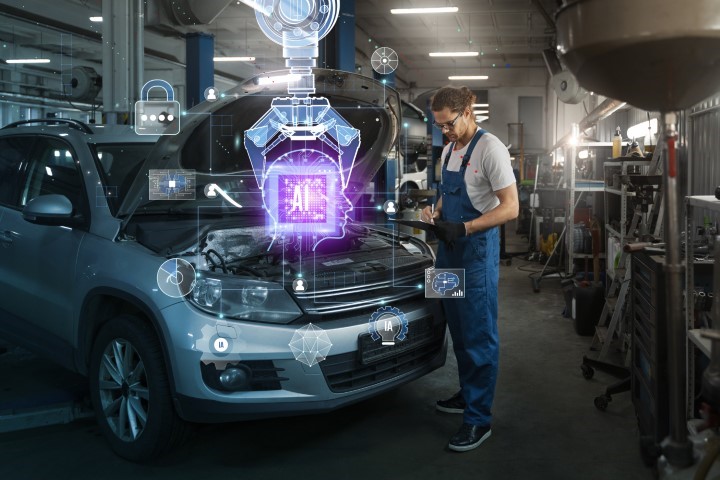
Beyond electrification, cars are becoming smarter. Advanced Driver-Assistance Systems (ADAS), powered by artificial intelligence and machine learning, are inching us closer to fully autonomous vehicles.
Features that define modern smart cars:
-
Lane-keeping assistance and adaptive cruise control
-
Collision avoidance and automatic emergency braking
-
Self-parking capabilities
-
Integration with smart devices and cloud platforms
Companies like Waymo, Tesla, and Apple (reportedly) are heavily invested in self-driving technology. While regulatory, ethical, and infrastructural questions remain, the idea of a car that drives itself is no longer science fiction—it’s an engineering frontier.
The Auto Industry and the Economy: An Engine of Global Growth
Automobiles are not just vehicles; they are economic powerhouses. The global auto industry employs millions, fuels adjacent sectors like steel, rubber, and electronics, and is a vital part of national GDPs. For instance, in Germany, the automotive sector is one of the largest employers and exporters.
Economic roles of the auto industry:
-
Job creation – in manufacturing, sales, service, and logistics.
-
Technology spillover – R&D in autos fuels innovation in other sectors.
-
Infrastructure development – roads, charging stations, and smart grids benefit from auto-driven demand.
As the industry pivots toward new technologies, it creates both opportunities and disruptions—retraining workers, retooling factories, and redefining global supply chains.
Consumer Trends: Customization, Connectivity, and Consciousness
Modern consumers are far more discerning than in previous decades. The idea of simply owning a vehicle has evolved into a quest for a personalized, connected, and environmentally responsible experience.
Current consumer trends include:
-
Vehicle subscription models – offering flexibility over ownership.
-
In-car connectivity – integration with smartphones, voice assistants, and navigation tools.
-
Green preferences – demand for hybrid and electric models continues to rise.
-
Enhanced safety and infotainment – consumers expect top-tier technology in even budget-friendly cars.
Automakers now cater to an audience that values not just speed or looks, but sustainability, software sophistication, and lifestyle alignment.
Challenges and Roadblocks: Navigating Complex Terrain
Despite the progress, the automotive industry faces numerous challenges that threaten to stall its momentum.
Major challenges include:
-
Supply chain disruptions – microchip shortages, geopolitical tensions, and raw material scarcity.
-
Environmental regulation pressures – compliance with evolving global emission standards.
-
Cybersecurity risks – connected cars are vulnerable to hacking and data theft.
-
High R&D costs – transitioning to EVs and autonomous systems demands significant capital.
Yet, these obstacles are also opportunities for innovation, collaboration, and long-term resilience.
The Road Ahead: Future-Proofing the Auto Industry
As we look to the future, the automobile is poised to become more than just a mode of transportation. It is evolving into a mobility solution—cleaner, smarter, and more interconnected with our digital and urban ecosystems.
Trends likely to shape the future:
-
Mobility as a Service (MaaS) – shared, subscription-based models over ownership.
-
Urban transformation – cities redesigning for EVs and autonomous transport.
-
Solid-state batteries – offering greater range and faster charging.
-
Cross-industry collaboration – tech companies and automakers joining forces.
Innovation will not only come from legacy manufacturers but also from startups, software developers, and consumers themselves, demanding better, cleaner, and more intuitive ways to move.
Conclusion: Reinventing the Wheel, Yet Again
The story of the automobile is one of constant reinvention. From steam-powered curiosities to electric, autonomous marvels, the “auto” is a living symbol of human ingenuity and ambition. As it enters its most transformative phase yet, the auto industry is no longer just about getting from point A to B—it’s about shaping the future of how we live, work, and connect. With every innovation, the road becomes more intelligent, more sustainable, and more empowering. And in that journey, we are all passengers—and pioneers.
